

友情链接
- Copyright © Science and Technology Daily, All Rights Reserved
- 科技日报社 星空平台 版权所有

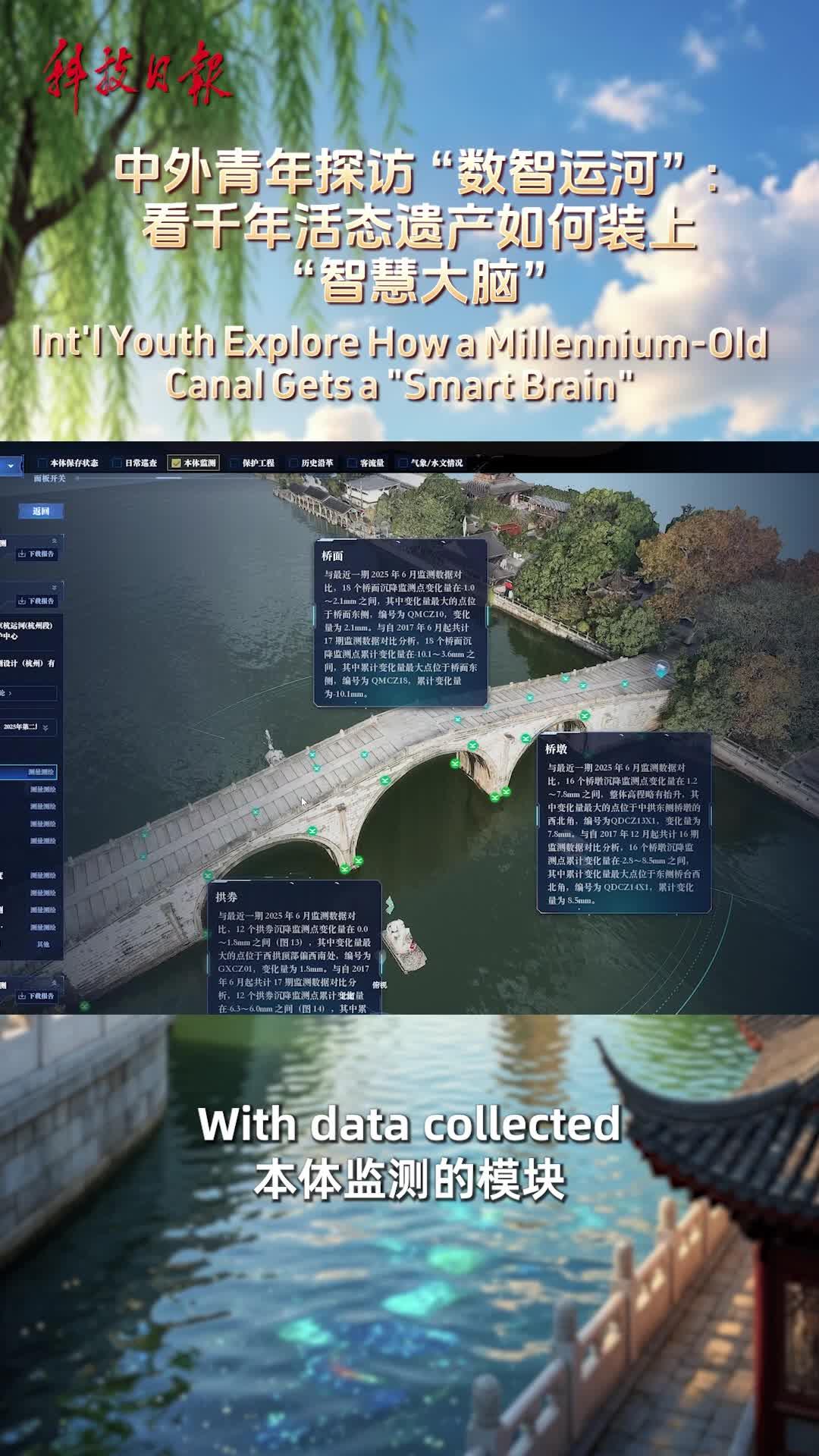
A Chinese and a Sudanese young ambassador recently visited the Hangzhou Comprehensive Protection Center for the Beijing-Hangzhou Grand Canal (Hangzhou Section), to witness firsthand how a millennium‑old living waterway is being safeguarded with the "Smart Canal" system.
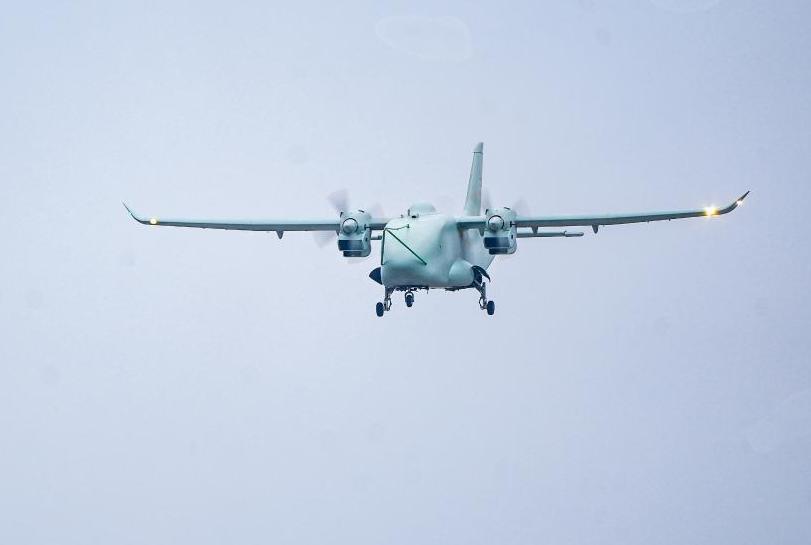
The idea of drones delivering goods that could be delivered by truck and using auto hybrid power technology to do it, sounds a bit crazy, right? However, this is exactly what a young team from the China Academy of Aerospace Aerodynamics(CAAA) has developed.
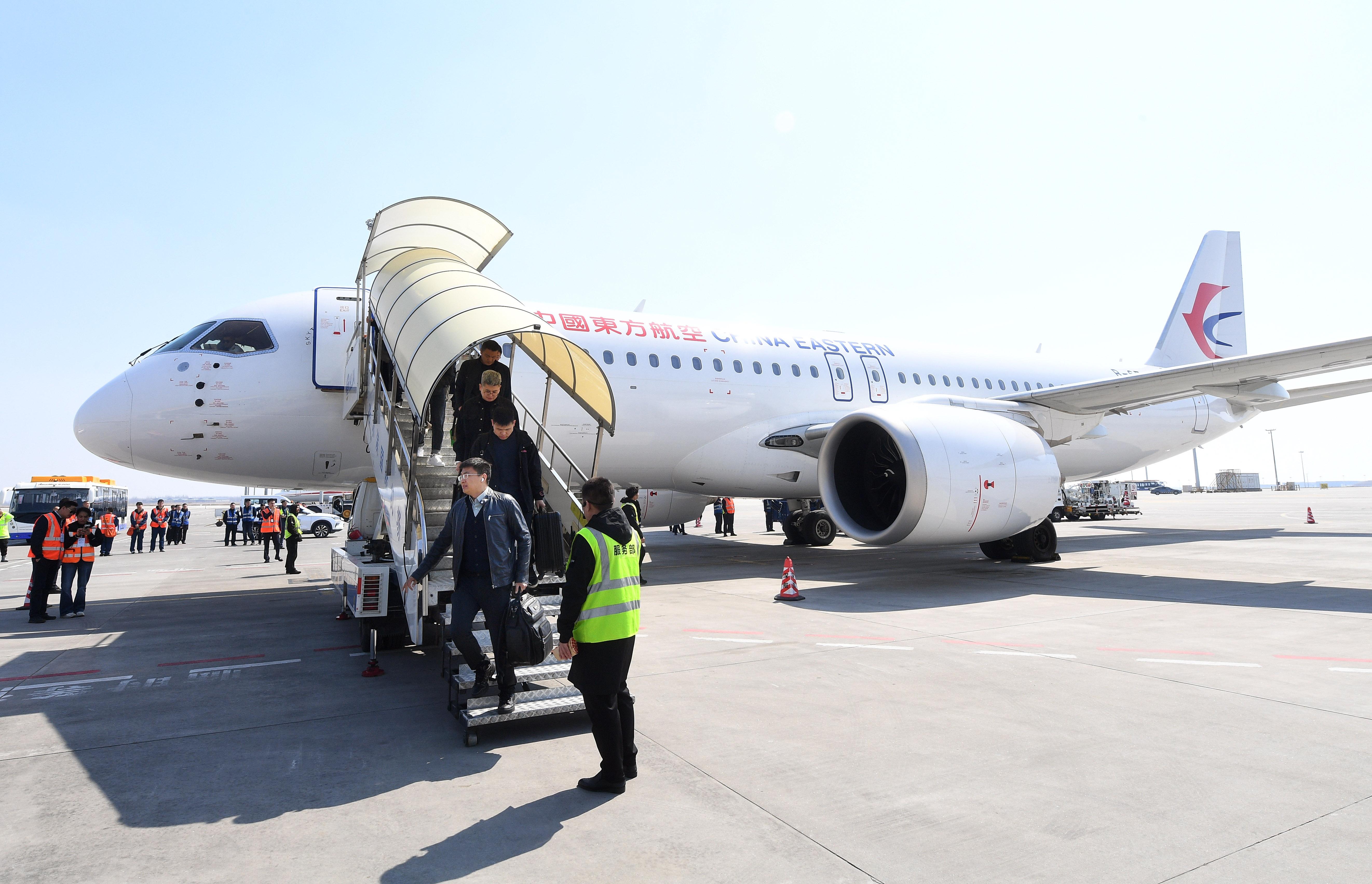
During the 14th Five-Year Plan period (2021-2025), China's capacity for scientific and technological innovation significantly improved, with breakthroughs in core technologies in key fields accelerated, according to an official report released by the National Bureau of Statistics on June 2.

China has become the first country to grant frequency usage permits for sixth-generation (6G) technology trials. This key regulatory step, made possible after the 6GHz band was approved by the Ministry of Industry and Information Technology (MIIT), will shift 6G research from laboratory simulations to scenario validation, significantly accelerating its commercialization.

During the recently concluded World Intelligence Expo 2026 in Tianjin, China, over 150 types of embodied robots showcased their astonishing skills, making the Embodied Intelligence Pavilion the focus of the entire event. This technological feast benefited from systematic breakthroughs in fundamental technologies such as computing power, chips and operating systems (OSs).
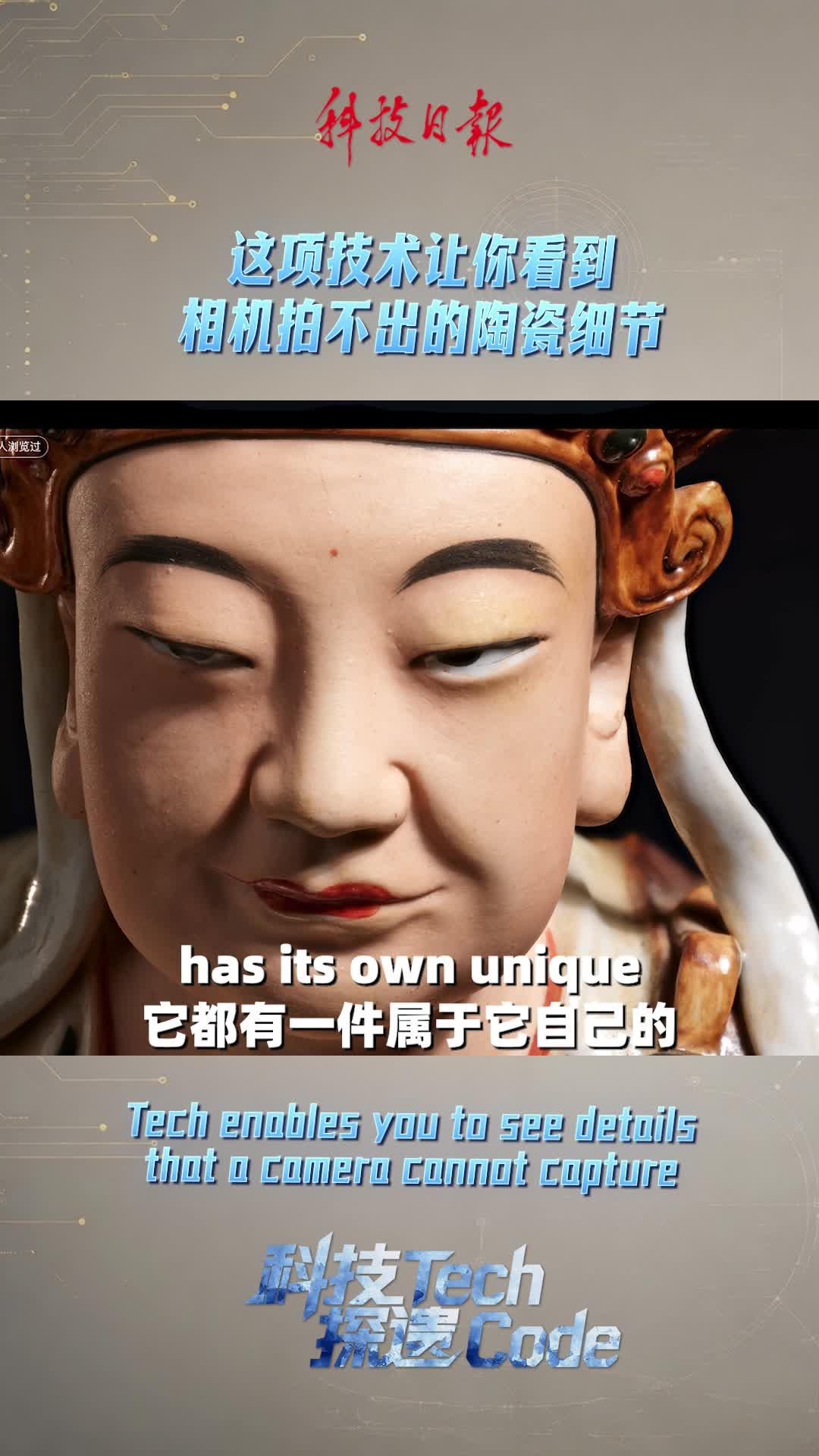
Have you ever encountered such kind of technology which can enable you to see porcelain details that a camera cannot capture? Here in Jingdezhen, east China, when a porcelain piece is scanned into a computer, even the bubbles beneath the glaze are perfectly visible. Check it out!
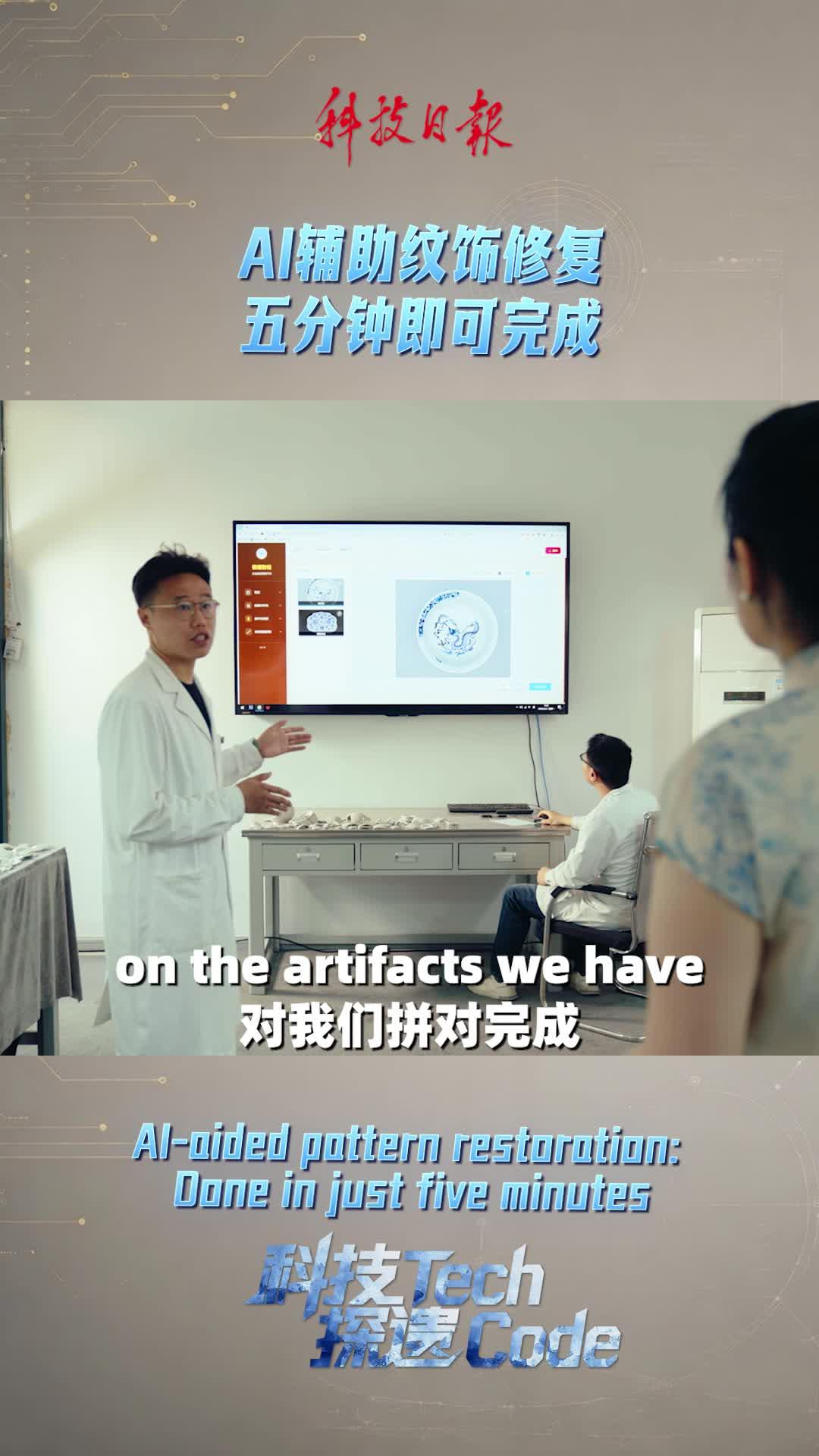
In Jingdezhen Imperial Kiln Institute in east China's Jiangxi province, with the aid of AI, missing ceramic patterns now can be restored in just five munites, while previously it may take months.
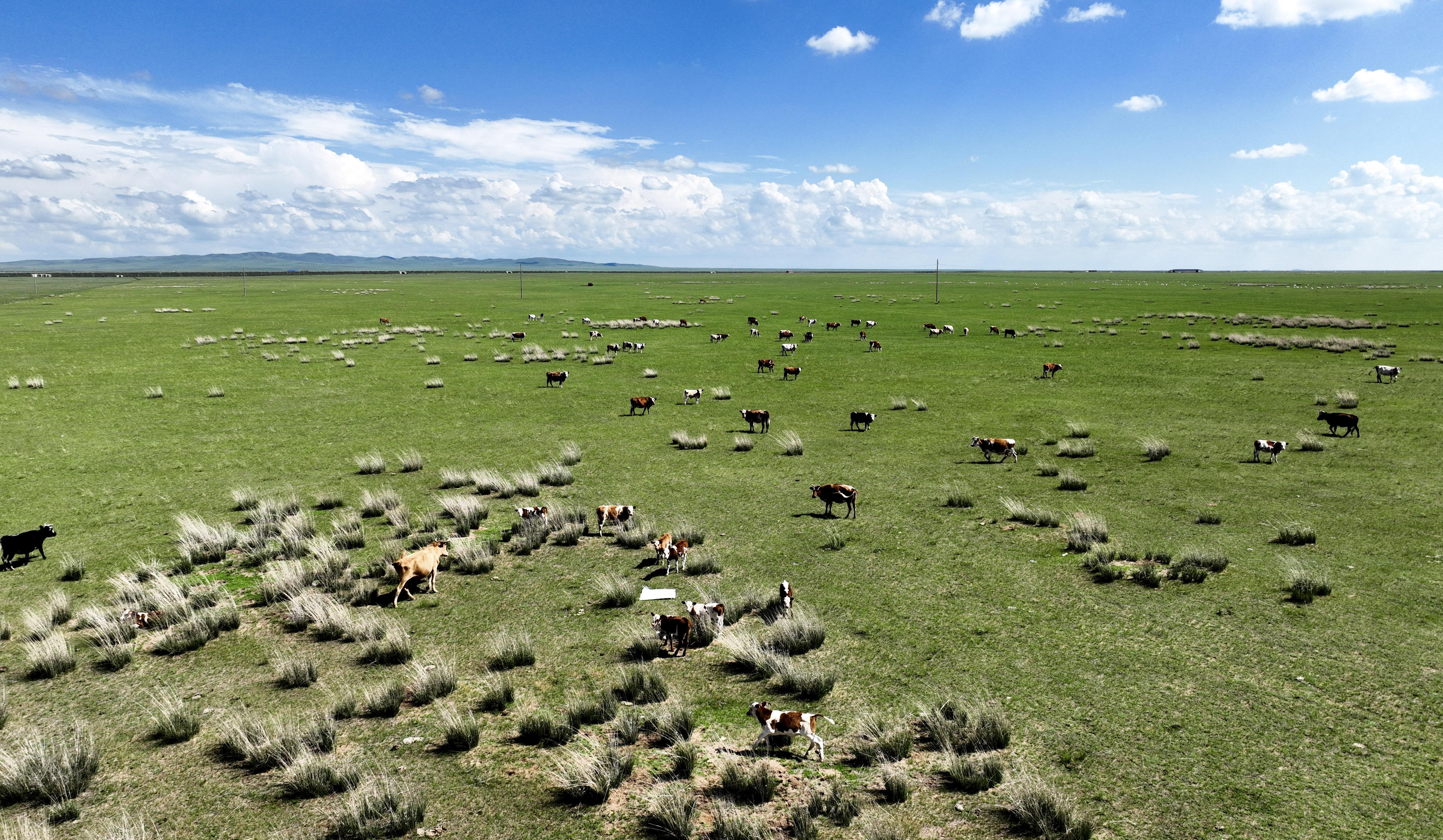
It is China's first long-term fixed-site research station for grassland ecosystems established in the temperate grassland region, situated in the Xilingol grassland in north China's Inner Mongolia autonomous region.

When Ozge Atalay, a ceramic art student from Izmir, Türkiye, learned the craft in her own country and Germany, she was taught to work only with her hands. Then she spent half a year in Jingdezhen in east China, renowned as the millennia-old porcelain capital of China, and her Chinese friend Zhao Nan, a young inheritor of Peking Opera facial mask making, showed her otherwise.
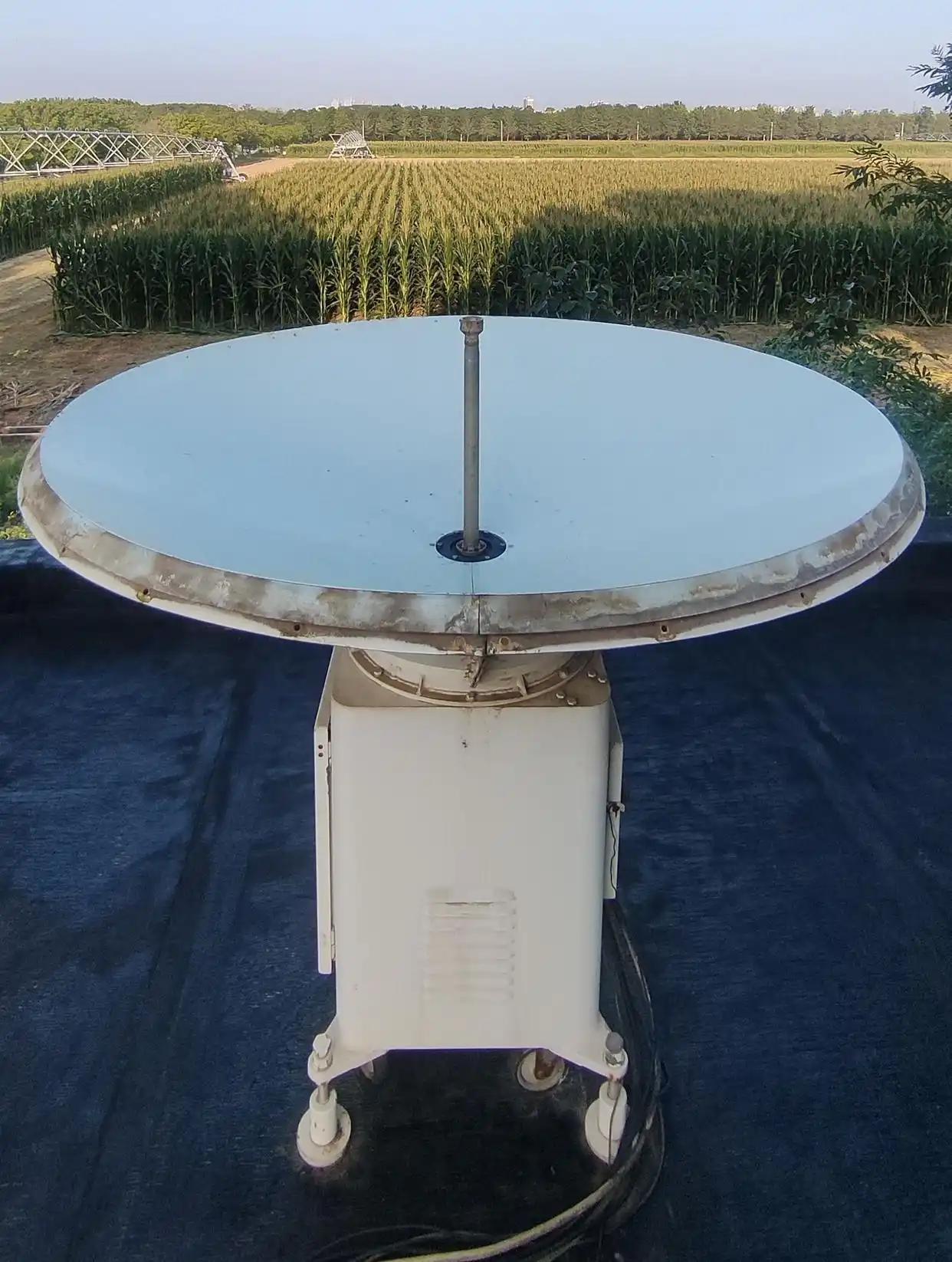
For decades, plant protection scientists have been fighting this phenomenon, while working with their hands tied. Traditional insect radars, the only tools capable of tracking these nocturnal high-altitude bugs, had a fatal flaw: a large detection blind zone. Now, after 20 years of painstaking research, a Chinese team has developed a world-leading high resolution, vertically looking radar (VLR), that rewrites the rules of pest monitoring.
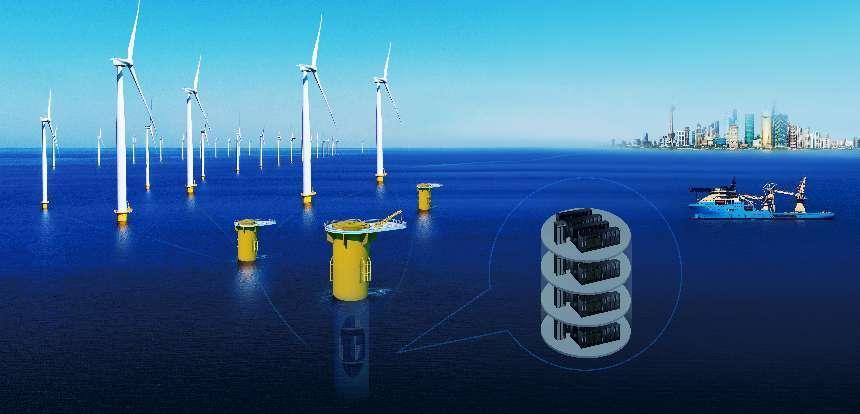
Recently, the world's first commercial underwater data center powered by an offshore wind farm began operation in Shanghai.

May 22 is celebrated as the International Day for Biological Diversity (IDB). The 2026 theme, "Acting locally for global impact," underscores the importance of applying the whole-of-society approach. China's biodiversity conservation has become a nationwide endeavor where local actors such as communities, enterprises, public organizations and research institutions contribute innovative solutions under government guidance.
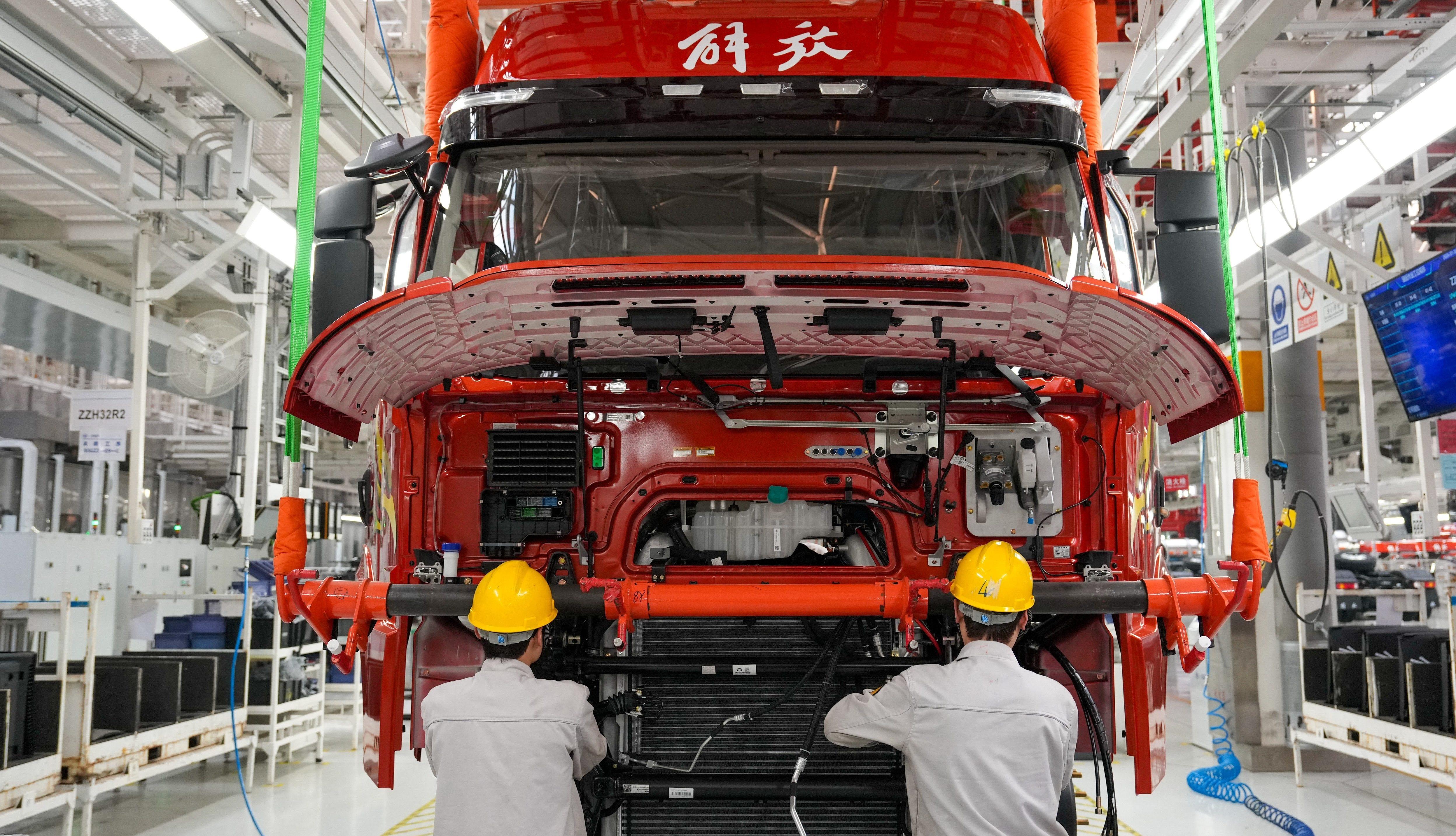
Data and AI-driven reform now spans the entire auto operation process of industry giant China FAW Group Co., Ltd. This was made abundantly clear at the 9th Digital China Summit held in Fuzhou, southeast China's Fujian province in late April, when the company displayed its latest achievements in the digital and intelligent transformation of auto manufacturing.

Fortunately, the wide gap between virtual simulation and real-world execution is closing fast, driven by the advancement of homegrown technology. This breakthrough arrives as China's 15th Five-Year Plan (2026-2030) prioritizes foundational AI research and technology transfer.
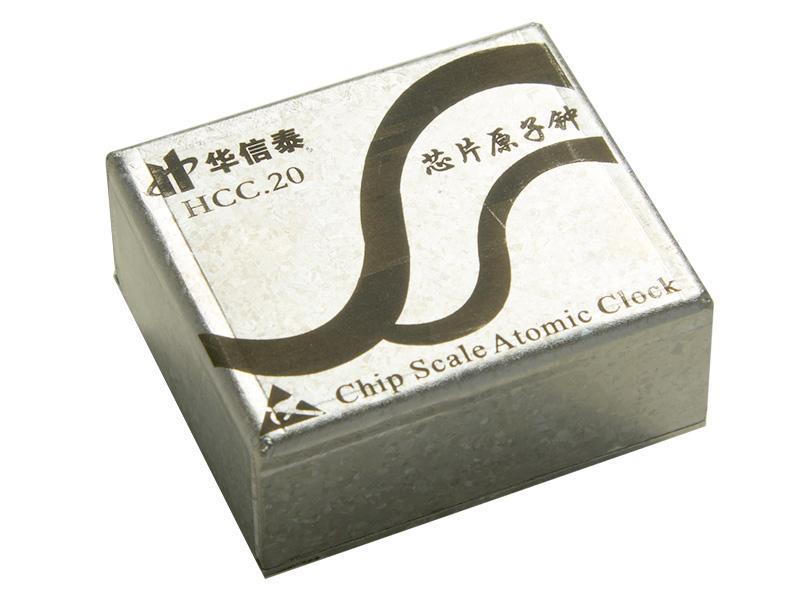
Barely the size of a matchbox, the new generation of chip-scale atomic clocks (CSACs) developed by Tianjin Huaxintai Technology Co. is ready to enable precise timekeeping for deep-sea oil exploration, commercial satellites, and smart power grids.
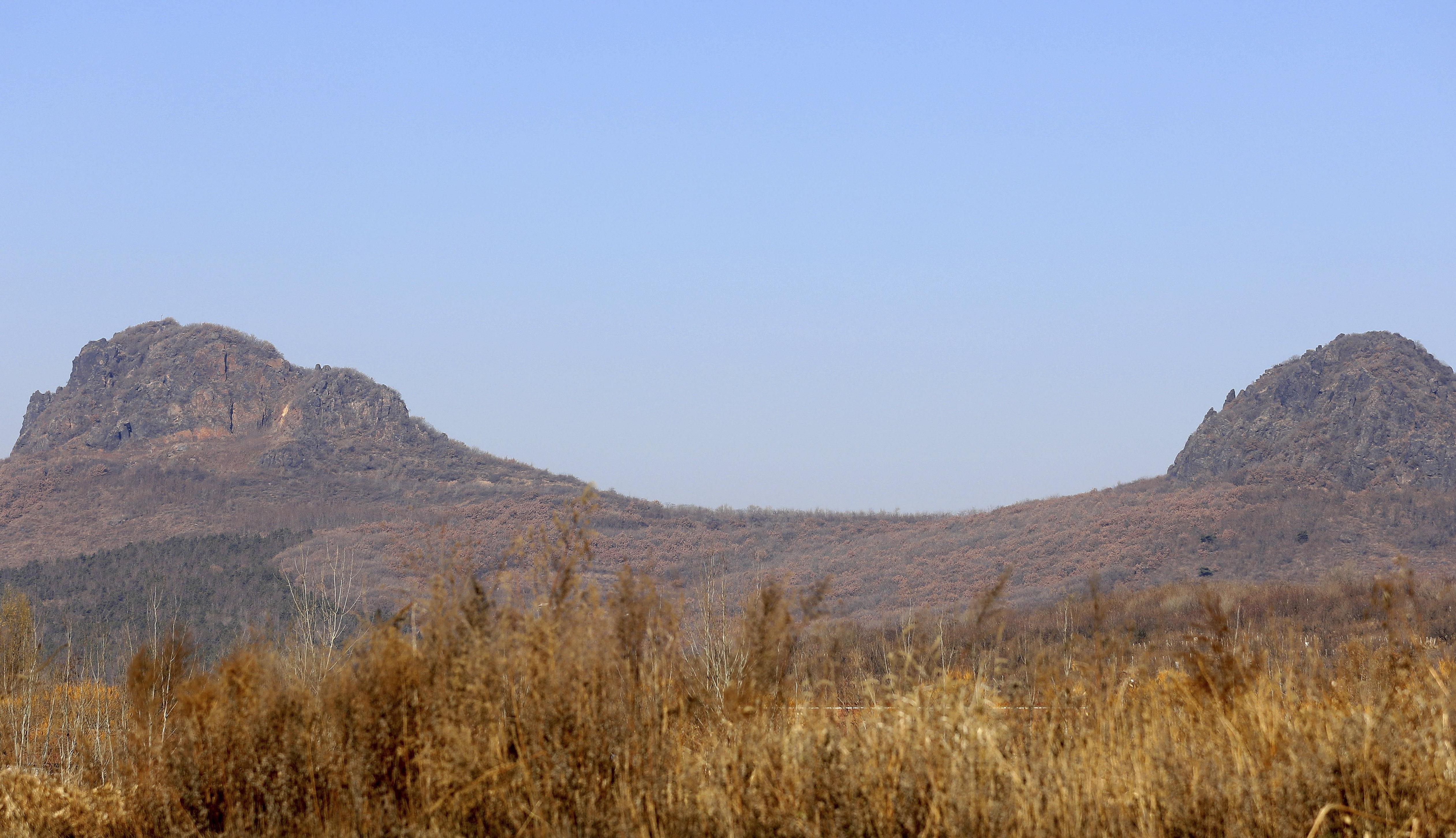
Named Gangtie Jiliang, or Steel Backbone, it is the world's first kilometer-scale, vertical shaft, hard-rock, full-face tunnel boring machine (TBM). The revolutionary borer recently wormed its way deep into the ground at an iron ore project site of Ansteel Group Corporation Limited in Anshan, northeast China's Liaoning province.
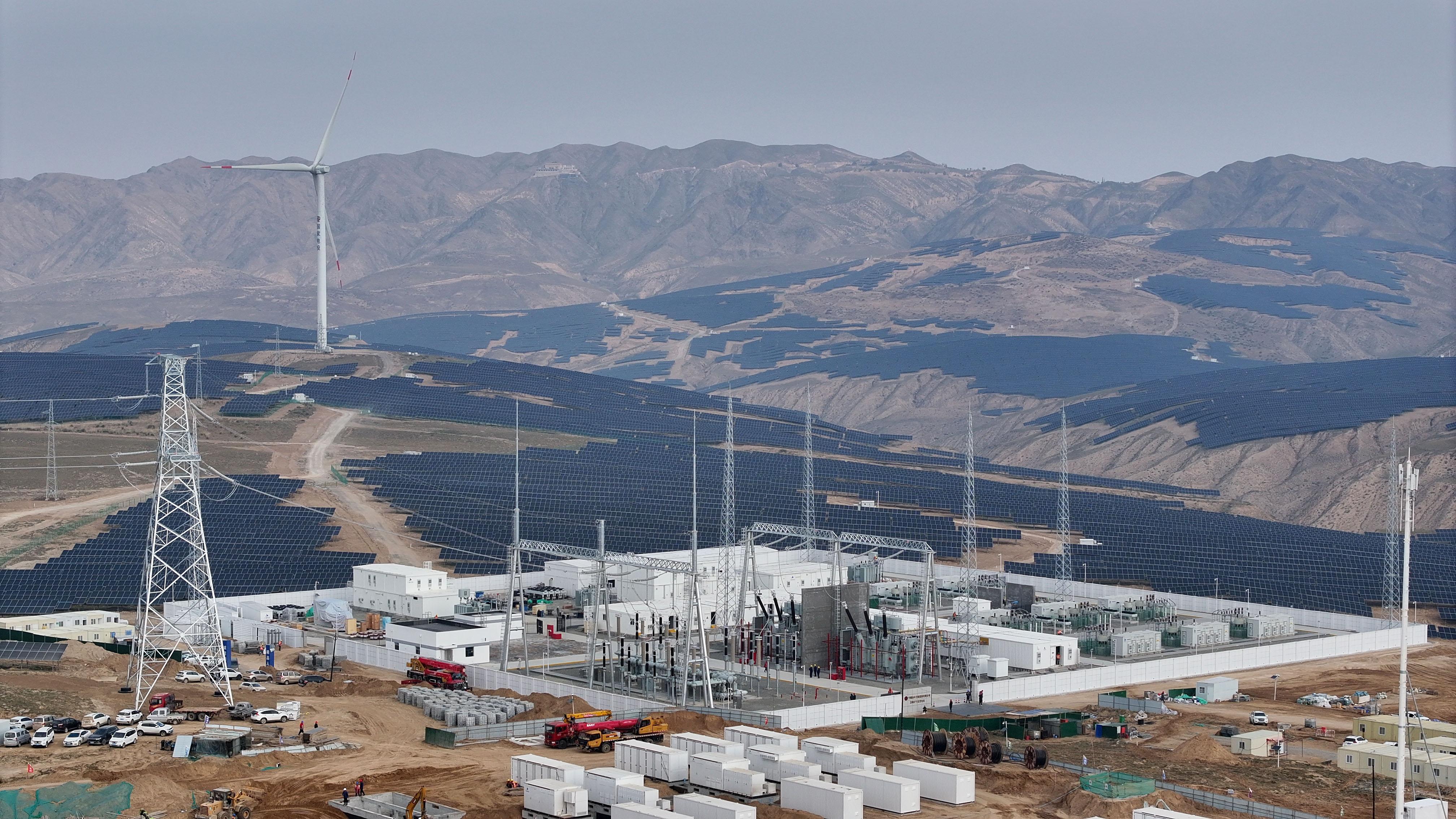
Why can China's invisible electricity, packaged as tokens, drive global AI like "digital oil"? The answer lies in a combination of systemic advantages that make Chinese tokens both abundant and affordable — an edge that is exceptionally hard to replicate.
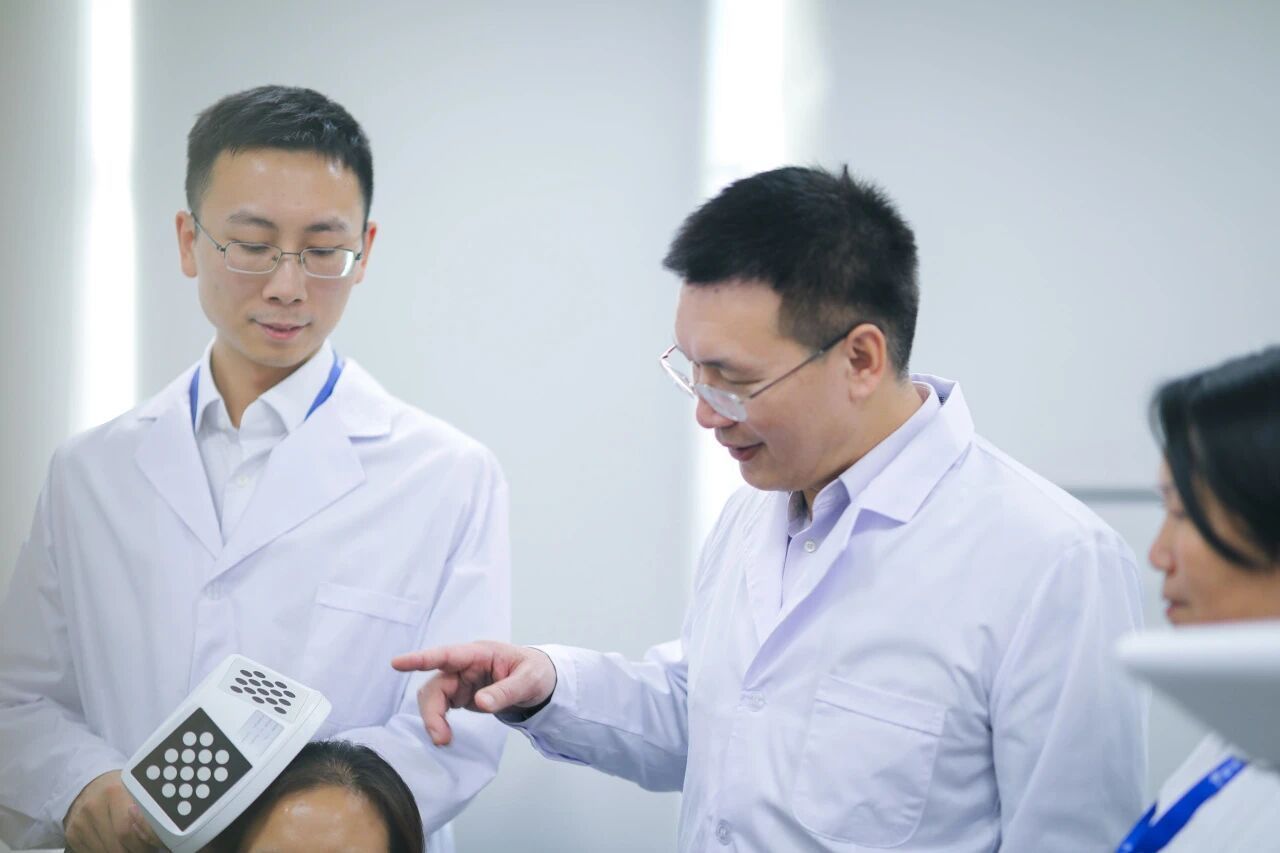
Now, a team of Chinese scientists has unlocked this puzzle. After years of relentless effort, beset by major setbacks, the team led by Professor Liu Hesheng from the Changping Laboratory and Peking University has developed the world's first non-invasive precision brain stimulation system.
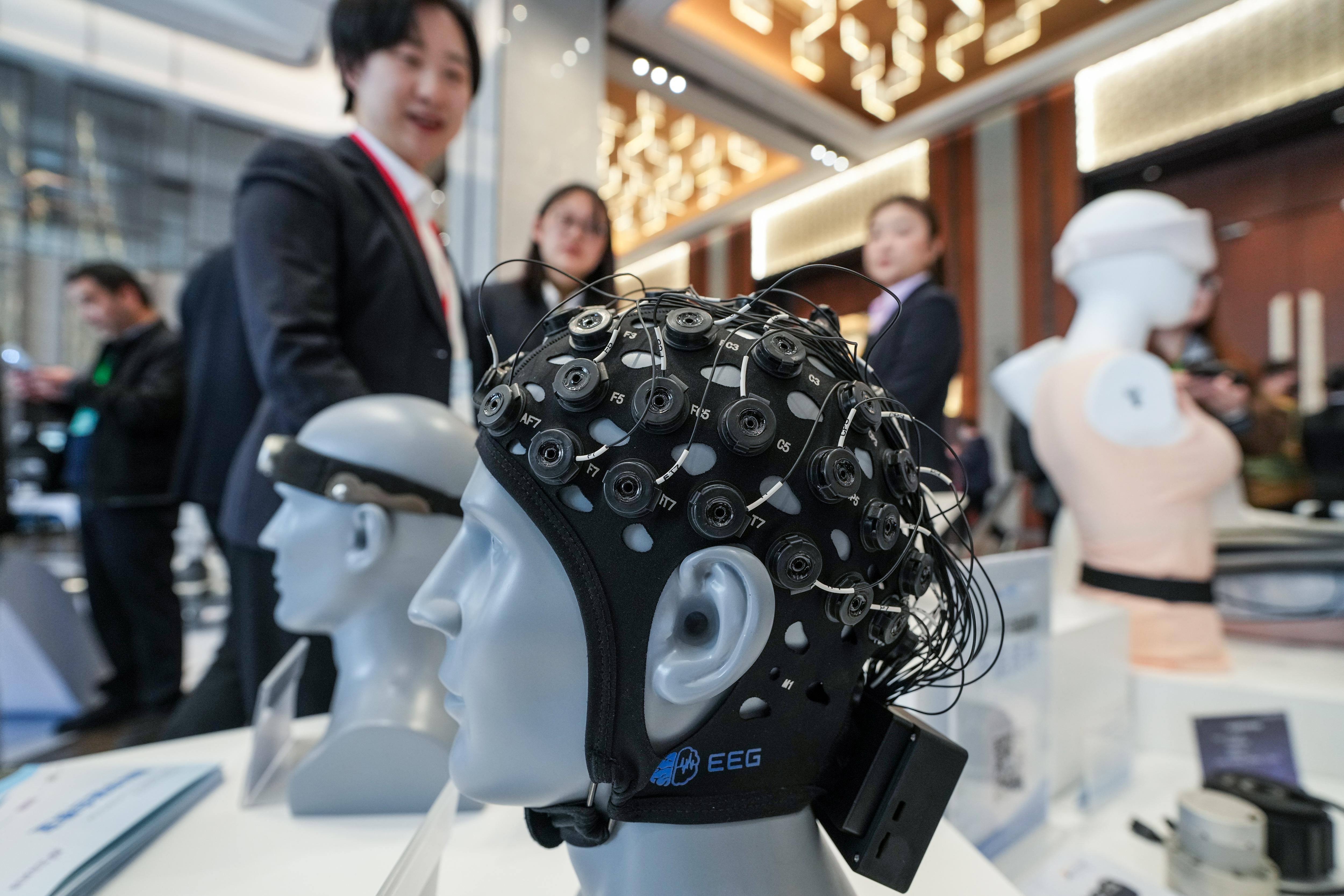
As China accelerates its pursuit of high-quality development, the transformation of scientific and technological achievements has become a strategic priority.
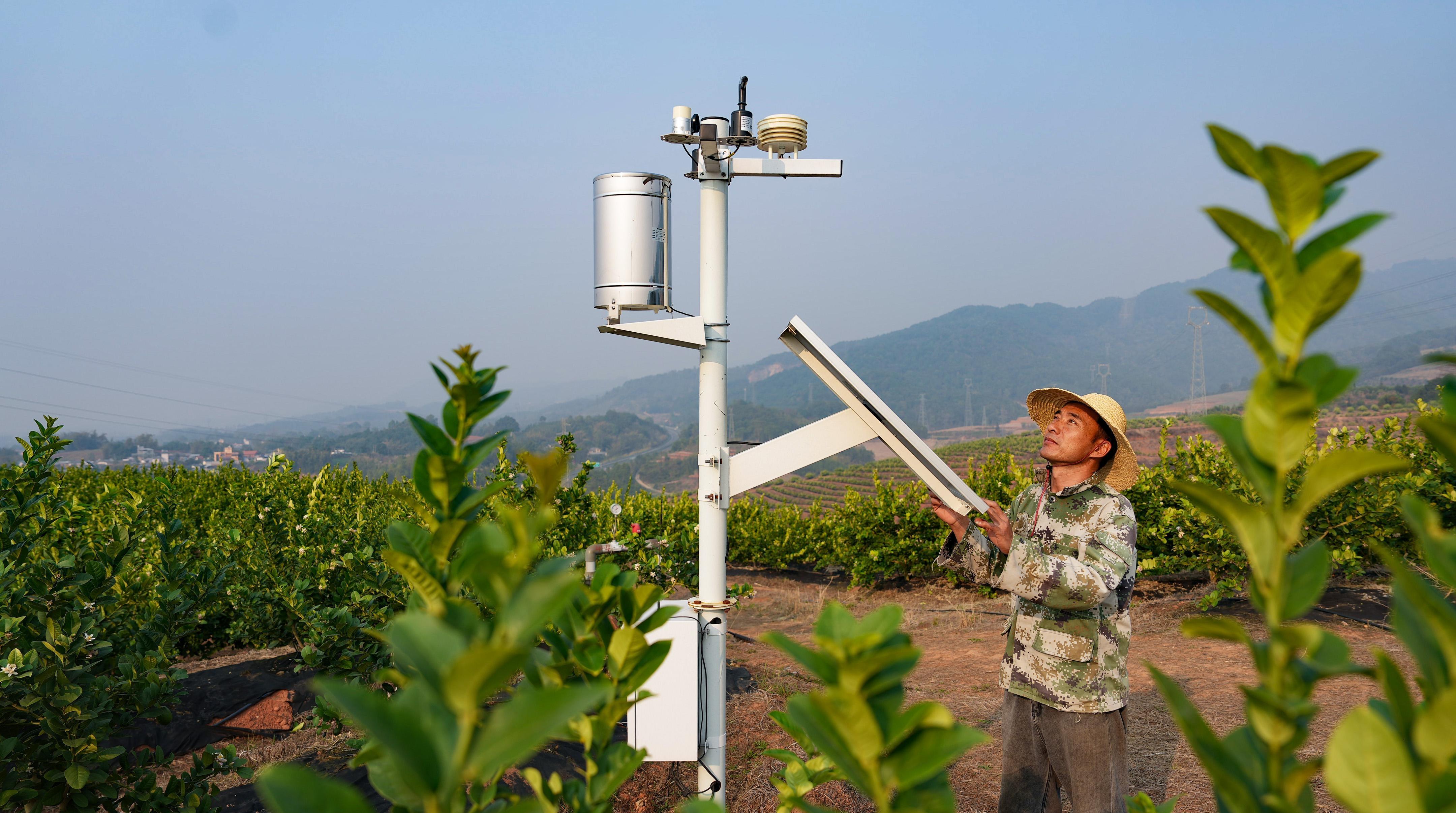
China has built the world's largest agrometeorological observation network, according to the China Meteorological Administration (CMA). Latest data from the CMA shows that the meteorological authorities have established a modern agrometeorological observation system, comprising 642 manual observation stations, 738 automatic observation stations, 15 specialized service centers and 91 experimental stations.

Chinese President Xi Jinping has sent a congratulatory letter to the Science and Technology Daily on the occasion of the 40th anniversary of its founding.
Russian agricultural technology exports have reached 5.9 billion USD since the start of 2026.